
We are not a charity.
We are a system.
Every programme we build is, structurally, a jobs programme, connecting child nutrition, women's livelihoods and a circular economy.
One loop. Four ways it creates work.
Tap each stage to see how a school meal turns into jobs, factories and the next generation of women leaders.
Built to outlast their funding.
 Nutrition
Feeding Msitu
A school feeding programme employing paid, trained Zambian women to cook and serve nutritious meals to children every day.
[Photo: mango harvest or factory site]
Twapeza
A solar-powered, zero-waste circular food factory in development on the Lobito Corridor. Mango-first and single-product, then growing into a network.
[Photo: women leaders in a workshop]
Msitu Ladder Institute
A four-tier residential leadership programme building the next generation of African women in food systems and community development. Leadership is a teachable skill.
Women are the infrastructure.
Not the target group. Not beneficiaries. The people who make the whole system run, and who are paid like it.
Dignity first
Participants are workers and employees, never beneficiaries.
Women are the infrastructure
Paid, trained Zambian women run every kitchen we open.
Systems, not charity
Every programme is designed to outlast its funding.
A proven model
Food4Education grew from 25 children to 200 million meals in 13 years. We're building the Zambian path.
“A school meal is where it starts. A paid job is what it builds.”
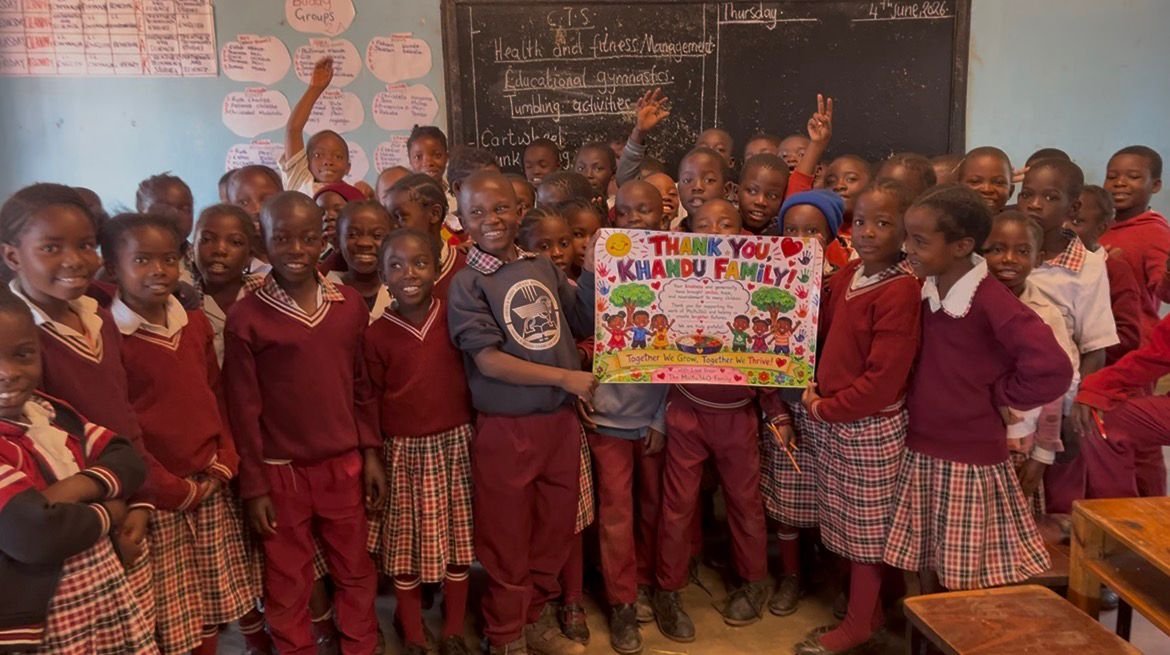
Feeding Msitu · Chainda, Lusaka
Read stories from the kitchenFrom one school to a national system.
~150 children fed daily
Chainda Community School, Lusaka.
First Twapeza factory
Solar-powered, zero-waste, mango-first on the Lobito Corridor.
Msitu Ladder Institute
Four-tier residential leadership for women in food systems.
20 schools · 5 factories
A connected network across Zambia.

Namonje Izukanji
[2–3 sentences on Namonje's background and why she started Msitu360, in her own voice.]
Fund a system, not a handout.
Your gift pays a woman's wage and puts a hot meal in front of a child. Or bring your organisation in as a partner.
Donate to Feeding Msitu
K250 helps provide [what this amount covers, e.g. meals for N children or N days of a cook's wage].
Pay by Mobile Money (MTN, Airtel, Zamtel), card or bank transfer.
Stories from the field.
Updates from our kitchens, the factory and the Ladder Institute.